

Un-Building a Justice Facility: Architecture + Ethics
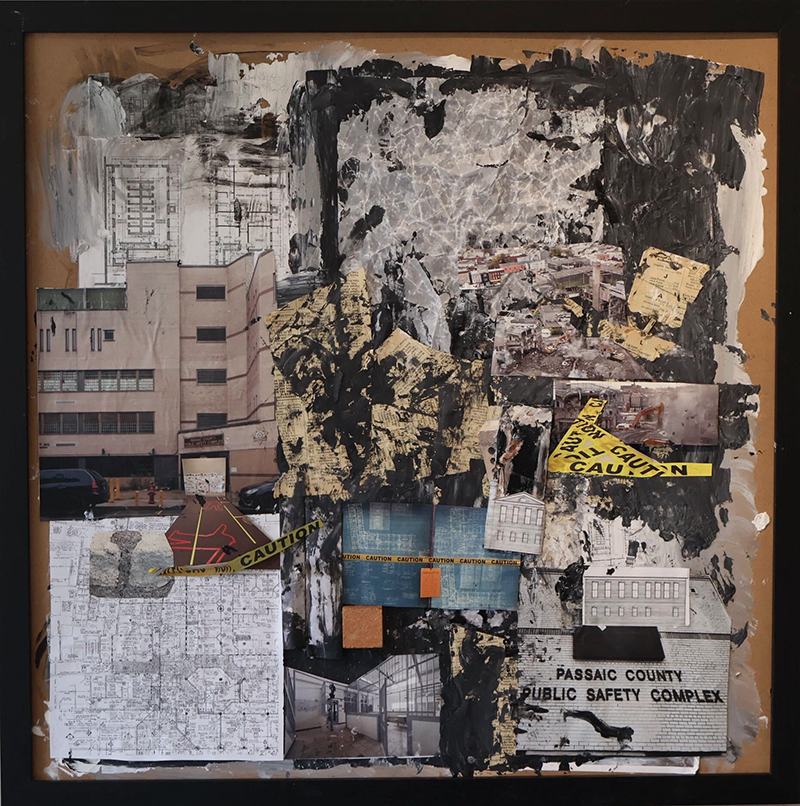
The Passaic County Jail once stood as a place built in the name of justice. Its completed demolition in early 2026 brought an end to the physical structure, but not to the questions it left behind. What does it mean to dismantle a place created to administer justice? What remains when its walls are gone? And what can the act of unbuilding reveal?








PROJECT TEAM
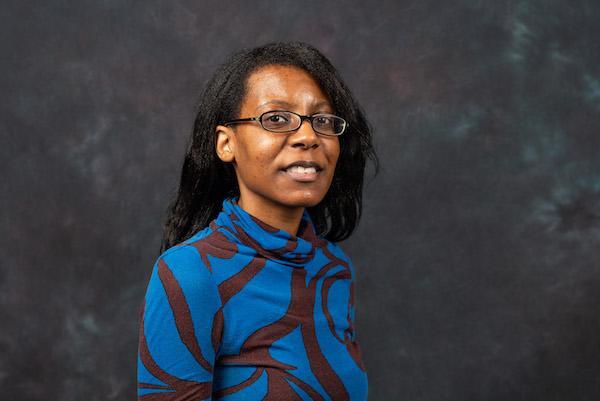
Camille Sherrod, M. Arch
Camille Sherrod, RA is a full-time professor at Kean University’s School of Public Architecture, with a wealth of diverse international academic experience. Holding a Bachelor of Architecture from Southern Polytechnic State University in the US and a Master of Architecture and Urbanism from the Architectural Association in the UK, Camille brings a unique perspective to her faculty role. She is also committed to empowering minority students and women in the field by fostering an inclusive environment for all. Camille has previously worked in architectural practices both within the US and internationally since 2009 including Zaha Hadid Architects in London, UK, and Jack Gordon Architects in New York. Tall projects she has previously been involved in include the Youth Olympic Center Towers, Nanjing, China (topped out 2014).

Erin Sharp-Newton
Erin Sharp Newton is a recognized advocate in the fields of architecture, design, healthcare and mental health. Her work emphasizes how environments can positively influence mental health and well beings, creating a continuum of care and filing systemic gaps in community infrastructure needs. As a passionate professional she serves as the Director of the Centre for Urban Design and Mental Health, an international think-tank focused on building mental health in tour cities. She has been a Fellow since 2016. She also served 2024 President of AIA CNJ (the American Institute of Architects, Central NJ) and has been serving as the Chair of the Department of Health and Human Services Local Advisory Committee on Drugs and Alcohol, and former Vice President of an Outpatient Drug Awareness Program, she focuses on designing solutions from grassroots to global levels, for which she received the NJ Bizz 50 Best Women in Business Award.

Project Participants
2025 Master of Architecture Students, School of Public Architecture at Kean University
Professors: Erin Sharp-Newton, Camille Sherrod, Cheng Chen
Forensic Wall: Brianna Ayzen, Nada F. Alzoubi, Brianna Ayzen, Jennifer Banzon, Abigail Boussios, Christopher Cabarcas, José Calixto, Daisy Chacho, Angela Cumella, Cristopher Ferreira, Patrick Gergich, George Gwaldis, Alec Hehir, Geoffrey Infosino, Giovanny Martinez Cano, John Montoya, Erny Salazar, Wakeemah Sawyer, Varrianna Siryon, John Stalteri, Ludny Thelisma, Kailey Viera, Rasheed Warren
2026 Master of Architecture Students, School of Public Architecture at Kean University
Professor: Erin Sharp-Newton
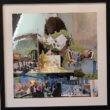
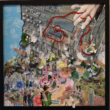
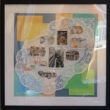
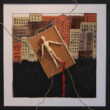
Assemblages (Architecture Hurting/Architecture Healing): Cristian Caiza, Vannah Kaye Ravara, Jaylene Rodriguez, Vanessa Vallejo, Cameron Zotti
2026 Master of Architecture Students, School of Public Architecture at Kean University
Professor: Camille Sherrod
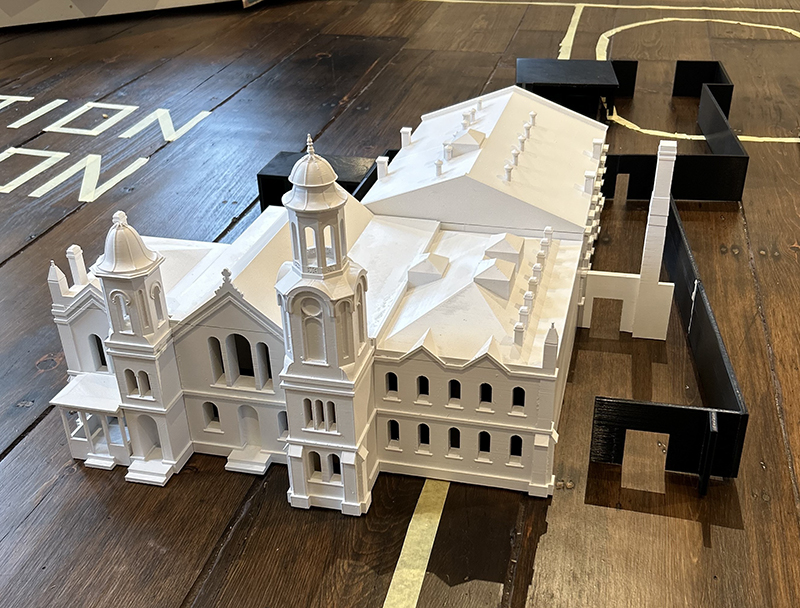
Physical Model of 1839 Passaic County Jail: Christopher Cabarcas
Photographs: Andrew Thompson, Camille Sherrod
Physical Drawings: County of Passaic Department of Engineering
Artist Statement
What remains when the walls come down?
We, faculty and graduate students of architecture and ethics at Kean University’s School of Public Architecture, started by studying a jail.
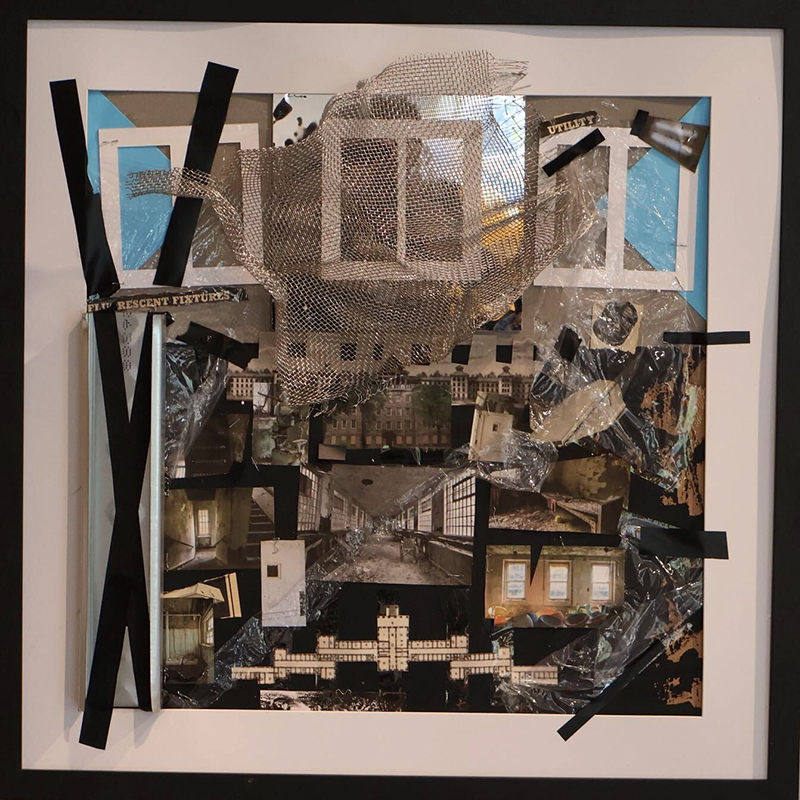
The Passaic County Jail once stood as a place built in the name of justice. Its completed demolition in early 2026 brought an end to the physical structure, but not to the questions it left behind. What does it mean to dismantle a place created to administer justice? What remains when its walls are gone? And what can the act of unbuilding reveal?
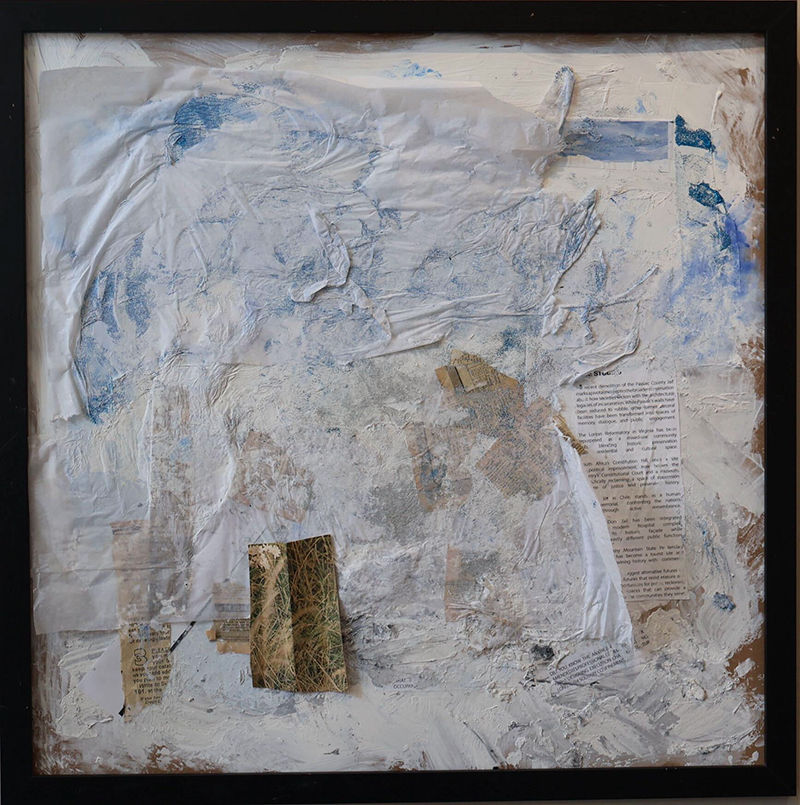
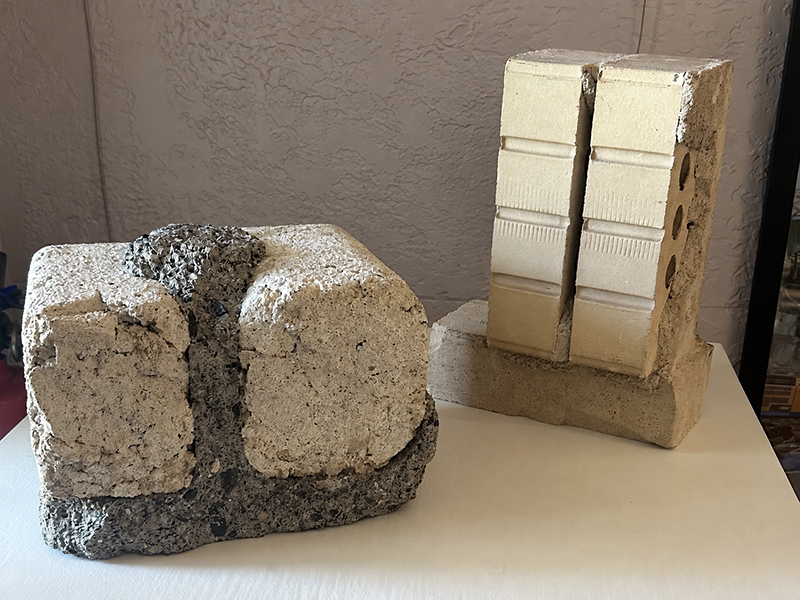
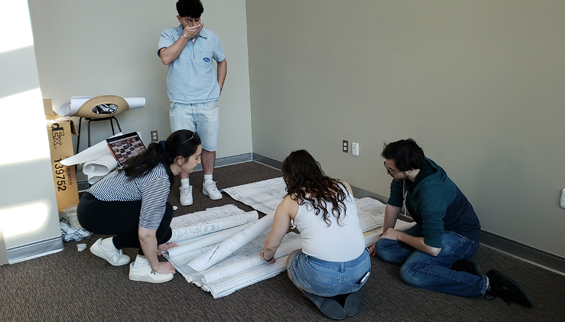
Un-Building grew from these questions. Through archival research, investigation of the site, a forensic examination of the building and its history, and collaboration with community and governmental partners, the project traces the life and afterlife of a complex and contested institution from multiple perspectives. Rather than treating demolition as an ending, Un-Building uses it as a way to examine what architecture can reveal through its disappearance, and what histories, materials, and narratives endure.
The story extends beyond a single building. It asks us to consider architecture not as a neutral backdrop, but as an active participant in public life: shaping institutions, reflecting values, and as a force that can create spaces that hurt and spaces that heal.
Perhaps unbuilding, then, is not simply the end of a building. It is the beginning of a different conversation about what architecture has been, what it has done, and what it might become.
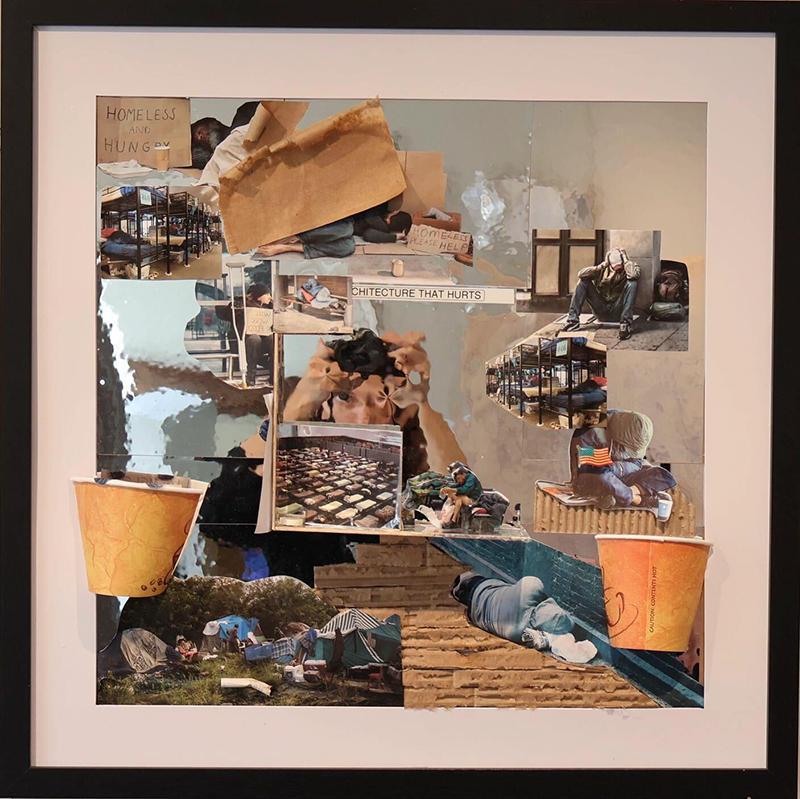
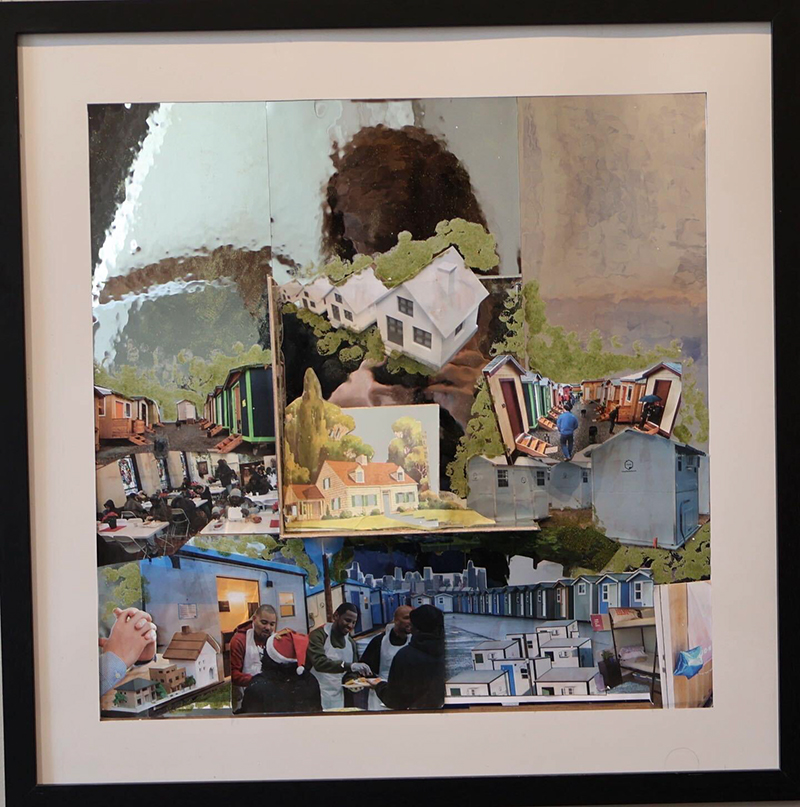
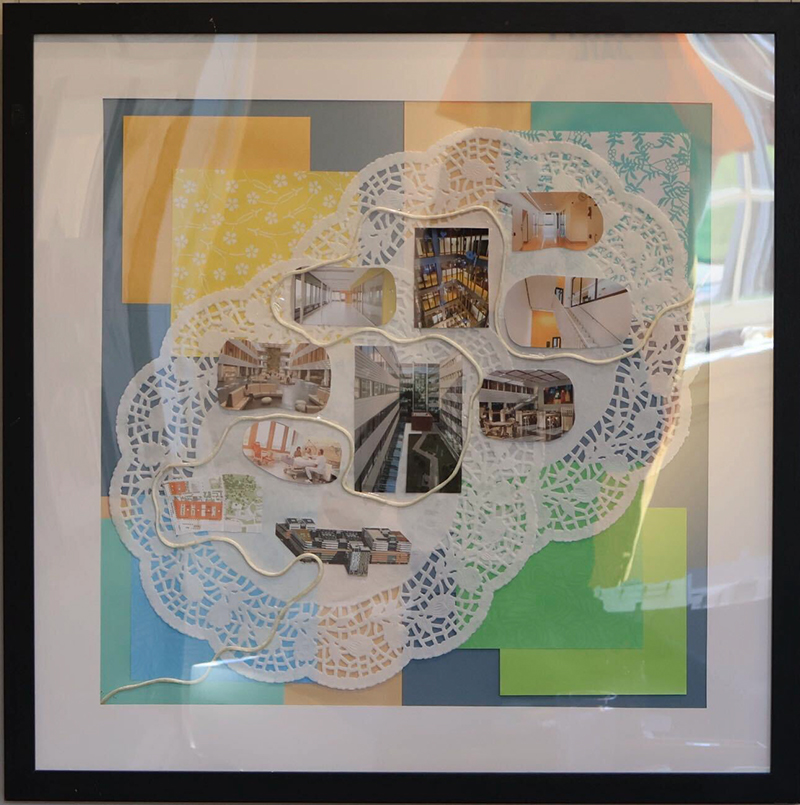
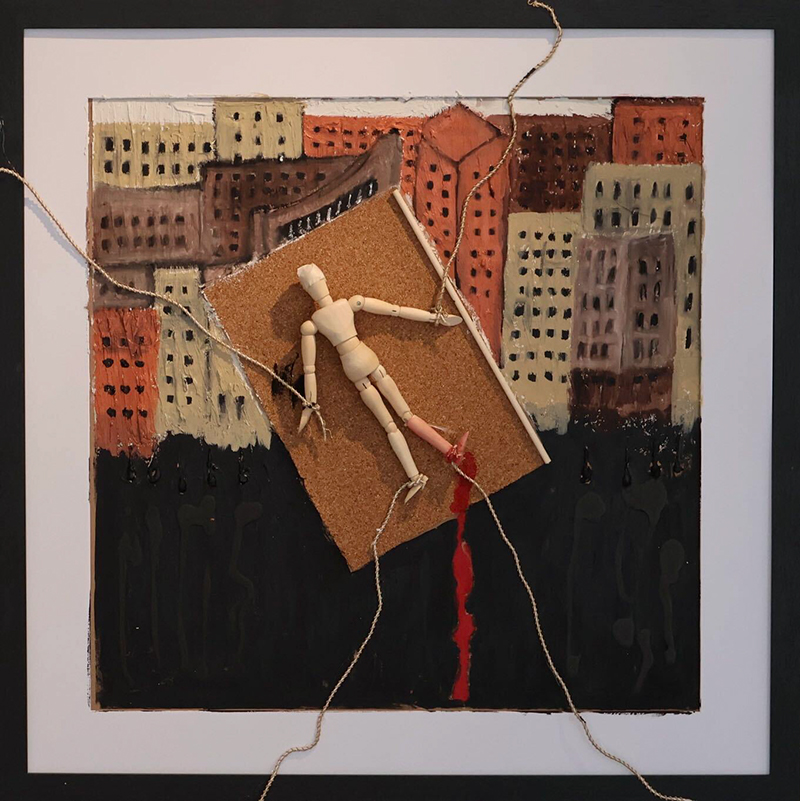
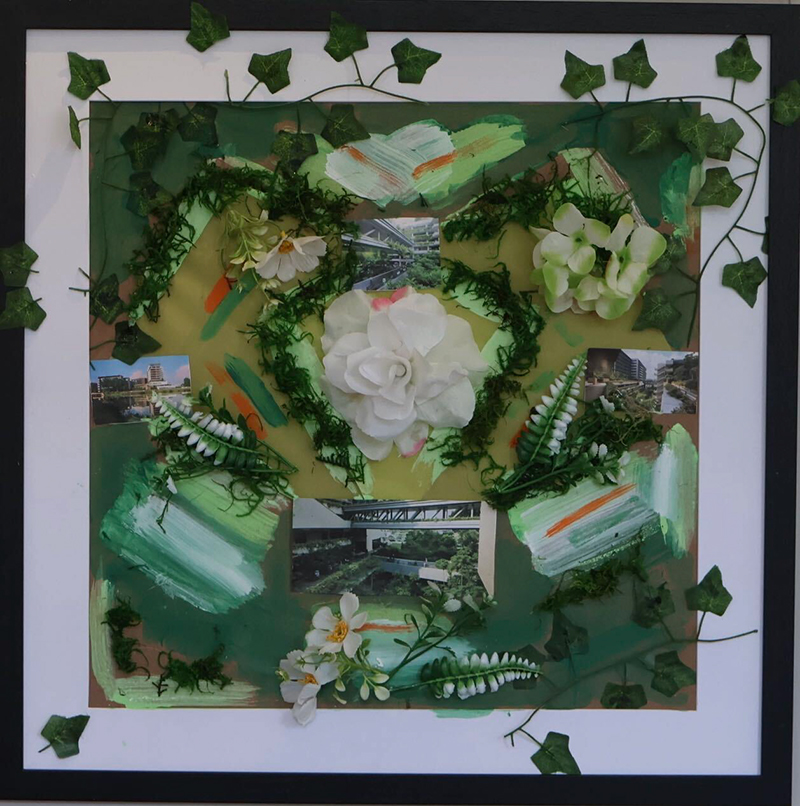
Overview of Architecture that Hurts and Architecture that Heals Assemblages By Erin Newton
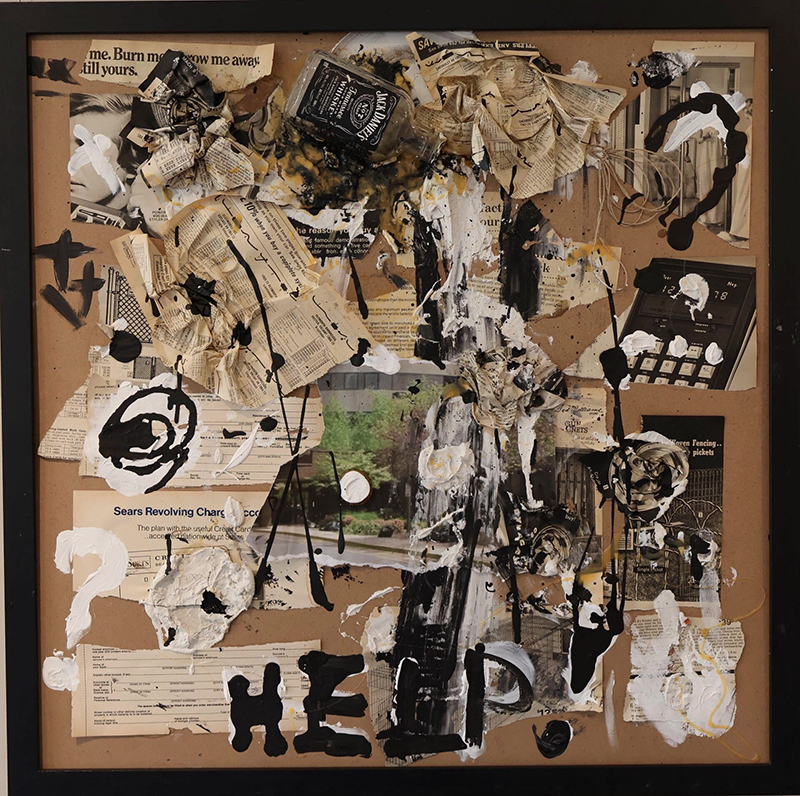
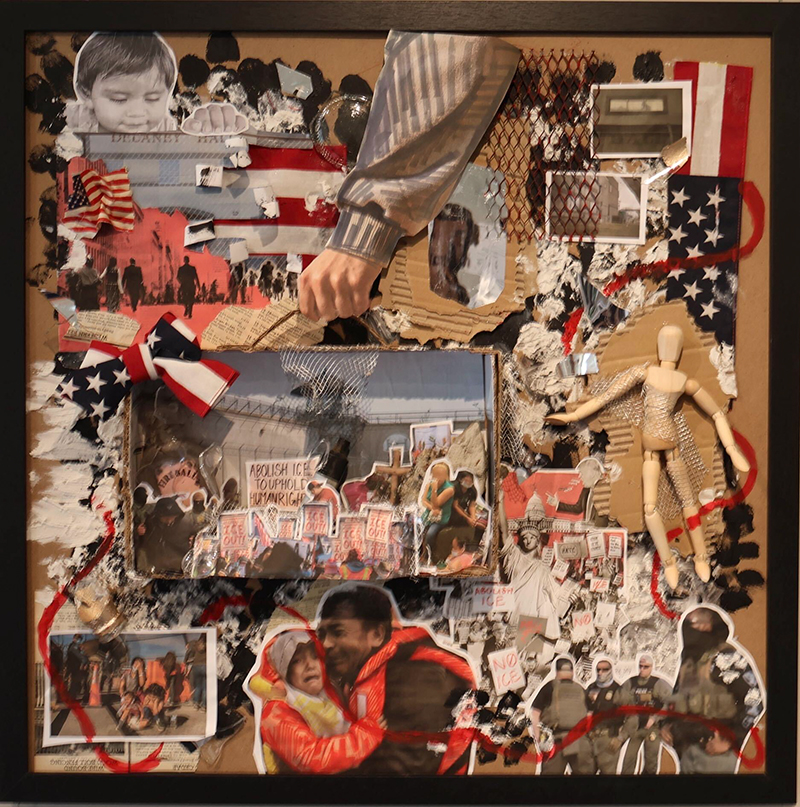
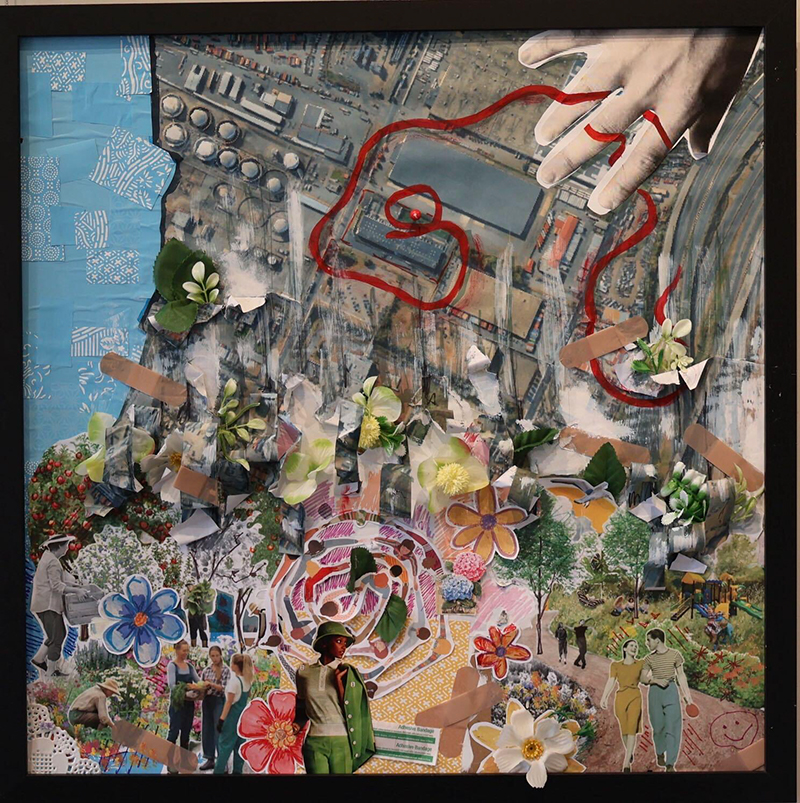
Architecture is never neutral. Architecture shapes human experience. Spaces can comfort or isolate, restore or exhaust, protect or exclude. The built environment influences not only how we move through the world, but how we feel, heal, remember, connect, and belong. This study began by investigating the questions: Can architecture hurt, and can architecture heal? As students investigated this question, they discovered that the answer is complicated. Their work revealed a series of ethical paradoxes. Buildings may not cause suffering on their own, yet they often become places where suffering is experienced. Also, architecture may not independently heal, yet it can create conditions that support dignity, resilience, recovery, and hope. Students examined different architecture styles and functions that accommodate experiences of hurting and healing. You know these spaces as detention centers, shelters, medical offices, and community centers. They investigated how architecture/design/space can influence how we create these environments to function as sites that continue harm or encourage healing. They also studied how these environments can actively support restoration of one’s humanity across physical, psychological and social dimensions.
Ultimately, the “Un-Building Justice” and “Holding Hurting/Holding Healing” components of this installation address ethics and Architecture. The demolition of the Passaic County Jail was our case-study for reframing architecture as an ethical practice that invited students to reimagine our carceral system. Every design decision carries consequences for those who inhabit our buildings and cities. This exhibition invites visitors to consider architecture not only as an act of making places, but as a responsibility to one another, to our communities, and to our shared humanity.
Architect’s Statement, Camille Sherrod
Celebrating diversity in our profession not only in composition, but in the way architecture is practiced and through its priorities is critical. Each architect brings something uniquely valuable to the profession and my role, one I gladly accept as part of the .03%**, is to make the content of my instruction relevant to each student’s life and individual perspective. I see the value in an approach which takes into account the rigorous development of one’s individual agenda and design intuition, risk-taking, diverse forms of expression and a strong foundation.
**.03%, percentage of black female architects in the US in 2018.
Architect’s Statement, Erin Sharp-Newton
Erin focuses on curating innovative solutions to transform projects that prioritize wellbeing, and respect research and practice. She has been featured in venues such as the Royal College of Physicians in London, Biennales, and Triennales, at conferences and publications. She is active in mentorship as a juror and critic for academic institutions Through her outreach initiatives, including collaboration with the Children’s Ciris Treatment center in Philadelphia, Erin underscores her dedication to uplifting humanity and communities. In addition to advocacy, Erin’s experience in market leadership and business development enables her to drive impactful projects through vision and commitment She inspires compassion and courage through highlighting the profound impact of the built environment on overall lived experience.